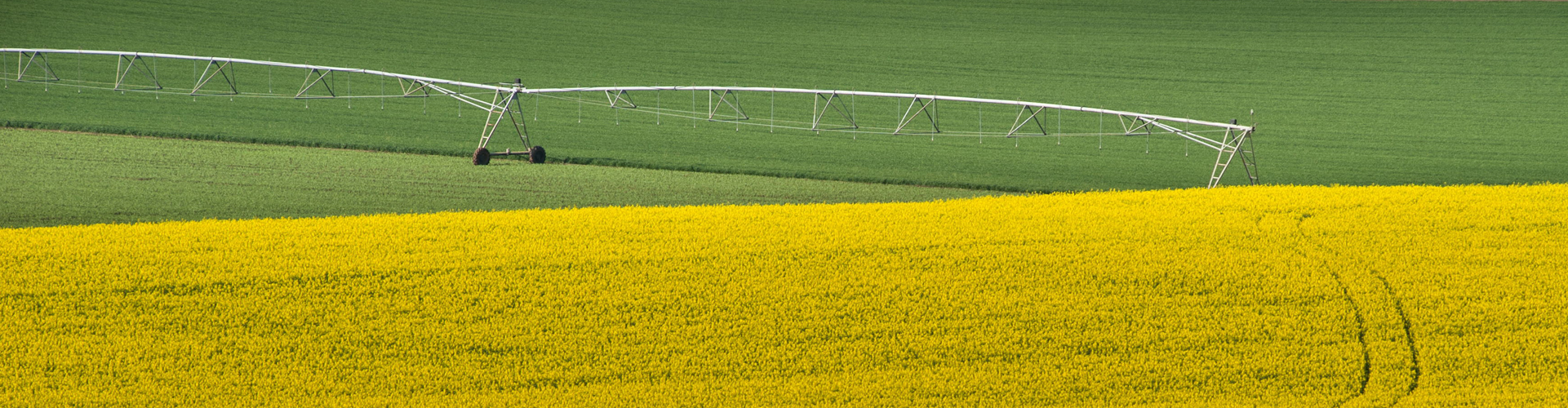
A technician watching a fertigation cycle sees three things happen in order: a stock solution is prepared in the mixing tank, an injection unit pushes it into the pressurized mainline, and the irrigation water carries it out to the sprinklers. Most confusion starts when people treat pre-mixing and injection as the same step. They are not. One sets concentration, the other sets rate. Understanding how those two jobs cooperate is what makes the whole water path predictable, from the tank to the last span.
Fertilizer does not enter a pivot all at once. It moves through a chain of stages, and each stage has a different job. The mixing tank decides how strong the solution is. The injection unit decides how fast that solution joins the water. The mainline and the sprinklers do no chemistry at all — they simply carry whatever they are given and spread it across the field. When a field shows streaky results, the cause is usually at one of the first two stages rather than in the sprinkler package.
1. Pre-mixing sets concentration in the tank, where fertilizer is dissolved and diluted to a known strength before any of it meets irrigation water. Complete dissolving matters more than tank size, because undissolved granules settle, draw into the injection line, and clog narrow passages. This stage answers one question: how much nutrient sits in every gallon of stock solution.
2. Controlled injection sets the rate at the mainline. The injection unit pulls from the tank and pushes that stock solution into the flowing irrigation water at a steady, adjustable pace. This stage answers a different question: how many gallons of stock solution enter the mainline each minute, and how does that number track changes in water flow.
3. Water-carried delivery turns those two settings into field coverage. Once inside the mainline, the fertilizer rides with the water through spans, drop tubes, and sprinklers, and it lands on the crop in the same pattern the water does. Nothing is added along the way.
That division of labor is the point of the design. Pre-mixing happens before pressure, at atmospheric conditions, at whatever pace the operator needs. Injection happens under pressure, at a rate tied to flow. Keeping those two stages separate in your head makes it far easier to explain why a field received more or less nutrient than planned. It also explains a detail that surprises many first-time operators: the fertilizer leaving the last sprinkler is not the fertilizer entering the injection point right now. There is a travel time through the pipeline, so the treated water lags behind the injection event by however long the water takes to cross the machine.
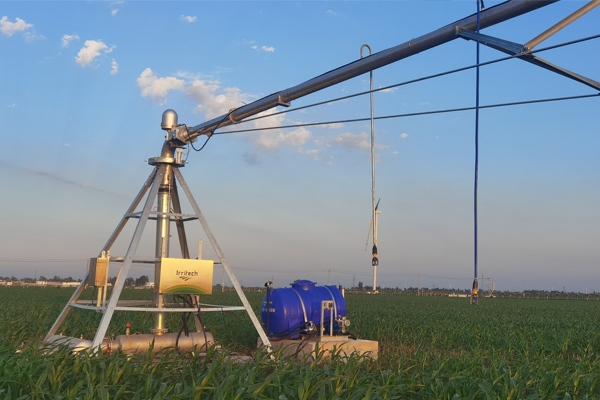
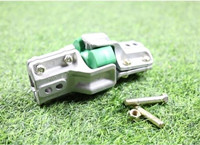
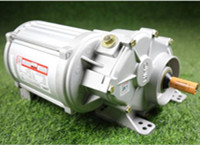
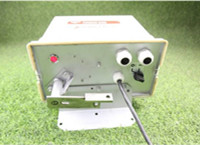
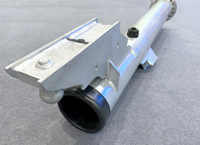
A pivot mainline is already full of pressurized water before any fertilizer arrives. The irrigation pump holds that pressure so sprinklers at the far end of the machine still throw a proper pattern. Injection therefore has to push against existing pressure, which is why a powered injection pump is the usual approach on large field systems: it forces the stock solution into the pipe against whatever head the machine is running. A device that relies on a pressure drop, such as a venturi, only draws solution in when there is enough differential, so it is less forgiving on long pivots running at high pressure. Where the injection point sits also matters. In typical field layouts the port is downstream of the irrigation pump and upstream of the first span, so the nutrient enters before the water splits into the machine's spans. Injecting downstream of the pump protects the pump from concentrated fertilizer and gives the solution the longest possible run of pipe to blend into the stream before the first sprinkler. Extension material on mainline connections and injection ports describes this arrangement as standard for pressurized irrigation systems. Check valves do the quiet work of keeping the flow one-way. One valve on the injection line stops mainline water from pushing backward into the tank or the stock solution line. Another protects the water source: when the irrigation pump stops, pressure in the pipe can fall, and without that valve, fertilizer-laden water could siphon back toward the well or the pump. Pump interlocks work alongside the valves — injection runs only while the irrigation pump runs, so a stopped machine never leaves a concentrated slug of fertilizer sitting in one span. Pressure-relief and safety valves on the chemical line follow the same logic, giving any over-pressure somewhere to go instead of stressing fittings. The Irritech fertilizer system is built around this arrangement. It is designed to connect fertilizer injection with center pivot and linear irrigation water lines, it includes a mixing tank and a nutrient injection unit, and it works with main water lines, sprinklers, and irrigation pumps. Customization options let a configuration follow the crop and the farm layout rather than the other way around, and steel parts follow ASTM-A123 hot-dip galvanizing with a 20-year corrosion warranty limited to galvanized steel parts. Exact injector pump type, flow rate, pressure range, and control integration are set per project, so those figures come from the supplier's design documents rather than from a general description.
Calibration is the arithmetic that links the tank to the field. Extension guidance on chemigation calibration follows one basic chain: know the area being treated, know the depth of water applied, know the desired nutrient rate per acre, and know the concentration of the stock solution in the tank. From those four inputs, the required injection rate falls out. Skip one of them and the injection rate becomes guesswork, no matter how well the pump performs. That is also the practical reason operators standardize on one tank-mixing routine — a consistent stock concentration keeps the calibration valid from one cycle to the next. Timing is the second half of uniformity, and a pivot makes timing physical because the machine is always moving. Starting injection before the system is up to speed and pressure has stabilized means the first stretch of the field gets a different dose than the rest. Stopping too early leaves the tail end of the pass under-treated; stopping too late leaves fertilizer in the pipeline after the water shuts off. The common field sequence is to pressurize, stabilize, start injection, then shut injection off ahead of the finish and let clean water flush the line so the last sprinklers run clear. A third factor sits between calibration and timing: flow itself changes during a pass. End guns cycle on and off, nozzle packages differ across spans, and travel speed is not perfectly constant. If the injection rate stays fixed while the machine's water flow rises or falls, the concentration in the pipe drifts with it. Proportional control — injection that follows mainline flow — is what keeps the nutrient-to-water ratio steady when those variables move. Standing at the injection point during a cycle is the simplest way to see whether the sequence is behaving. Technicians watch the injection rate setting, the mainline pressure gauge, and the spray pattern at the far span, noting when the material enters and when the flush water runs clear. That observation produces no nutrient number, but it confirms the order of events: mix, inject, convey, spray — each happening at the right moment, in the right place.
Fertilizer takes a defined path through a center pivot. It is dissolved in the mixing tank, injected under pressure into the mainline, carried along with the irrigation water, and spread by the sprinklers in the same pattern as the water. Pre-mixing controls concentration; injection controls rate; the pipeline and sprinklers only transport. Once a technician can describe that division of labor, an uneven field stops being a mystery and becomes a question of which stage drifted. For the equipment side of the same story, Irritech's published fertilizer system details cover how injection connects to center pivot and linear water lines, what customization options are available, and how galvanized steel parts are specified.
A:It enters at one injection point on the pressurized mainline. A stock solution prepared in the mixing tank is drawn by the injection unit and pushed into the flowing water, which blends it into the stream and carries it through the spans to the sprinklers. The water does the spreading; the injector only sets how much enters and when.
A:Pre-mixing happens before pressure, inside the tank, and it fixes the concentration of the stock solution — how much nutrient sits in each gallon. Injection happens under pressure at the mainline and fixes the rate — how many gallons of that solution join the water each minute. Concentration comes from the tank; the dose delivered per acre comes from the injection rate combined with the water depth applied.
A:Mainline pressure is what keeps sprinklers throwing a proper pattern, and it is also why injection has to be powered rather than gravity-fed. Check valves keep flow one-way: one stops mainline water from backing into the tank, while another keeps fertilizer-laden water from siphoning toward the pump or water source when the machine shuts down. A pump interlock ties injection to irrigation so fertilizer only enters a running line.
Calibrating Chemigation Systems for Field Crops
Extension publications | University of Idaho
Beef Cattle Nutrition Workbook | OSU Extension Service
2021©Privacy PolicyTheme byIrritech