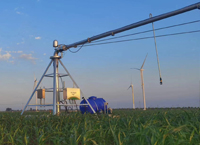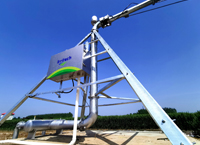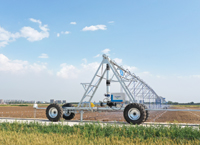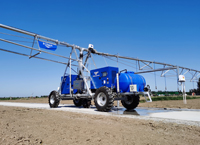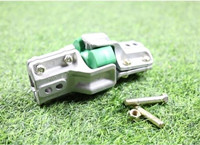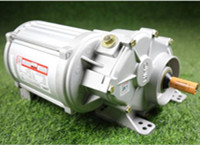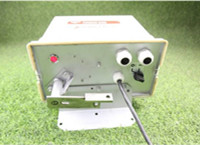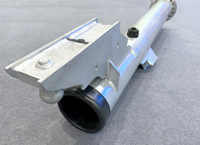
A lot of irrigation confusion starts when readers treat one system as a universal answer. In practice, a towable center pivot solves a different layout problem from a linear irrigation system, and a hybrid arrangement is only a possible way to combine those strengths in multi-field or irregular-field operations. For a center pivot irrigation manufacturer or a towable center pivot irrigation system supplier, the important question is not whether hybrid layouts sound efficient, but where the concept boundary sits and what it does not guarantee. That is the focus here.
Hybrid layouts are easiest to understand when you start with the land, not the machine. Field shape, access routes, and the way water needs to be applied all shape which irrigation method is practical. FAO guidance on choosing an irrigation method treats method selection as a response to site conditions and water management needs, not as a one-size-fits-all decision. That matters because a towable center pivot is built around movement between fields, while a linear irrigation system follows a different movement assumption altogether. For readers learning the category, the key point is that hybrid layouts appear when one machine type alone does not match the farm’s geometry or operating rhythm. A towable center pivot is useful when a single unit may be shifted between fields or used where a movable center pivot irrigation setup makes more sense than a fixed one. A linear irrigation system, by contrast, belongs to a different layout logic that is often discussed when rectangular or strip-style field coverage is relevant. Once those assumptions are clear, “hybrid” becomes a descriptive term, not a sales slogan. This is also why hybrid thinking should stay conservative. The phrase does not automatically mean better coverage, easier management, or lower cost. It means a farm may combine center pivot irrigation and linear irrigation because the field pattern and operational goals differ across blocks of land. That distinction is more useful than assuming every farm should default to a combined setup.
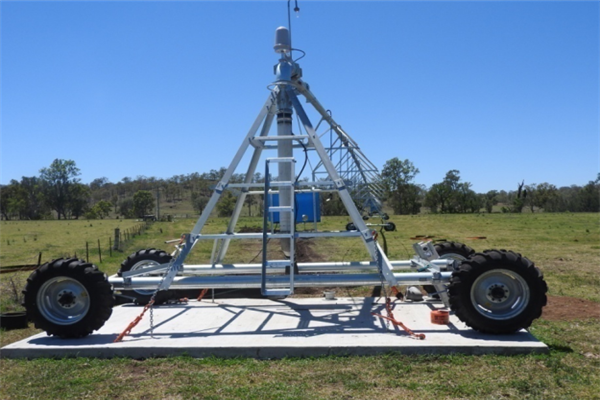
A towable center pivot is defined first by its movement logic: it can be dragged between fields, and the product information for Irritech’s towable center pivot describes tractor towing, skis or wheels, and movement along the system length. A linear irrigation system, however, is built around a different travel pattern. That difference is not cosmetic. It changes how a reader should think about coverage, repositioning, and where each system fits in a farm layout.
• The movement path is the first real divider. A towable center pivot rotates around a central point during operation and can later be relocated, while a linear system moves in a more directional way. That means “hybrid” is about combining two movement logics, not mixing two identical machines with different names.
• Coverage should be read as a layout effect, not a promise. A towable center pivot may be a strong fit for irregular or large fields, but linear irrigation can serve a different field geometry. When readers compare them, they should ask which shape each system assumes, not which one sounds more flexible in the abstract.
• Multi-field rotation is where the towable format becomes meaningful. If a farm needs one system to move between blocks, the towable center pivot creates a different operational rhythm from a permanent installation. Linear irrigation systems can be part of a broader plan, but the combination only matters when the farm actually has separate zones that benefit from different irrigation patterns.
• A hybrid layout is a planning concept, not a default output. The existence of two compatible system families does not mean every towable center pivot should be paired with linear irrigation systems. The farm still has to justify the combination through field shape, crop pattern, access, water delivery, and operating preference.
For a practical reader, this is the cleanest way to avoid category confusion. Towable center pivot, linear irrigation systems, and hybrid layouts are related, but they do not describe the same thing. One is a movable center pivot format, one is a linear travel format, and one is a combined layout idea that may or may not suit the farm.
Irritech Global Irrigation Solutions is useful here because its Towable center pivot page gives a concrete example of how a supplier may describe the combination. The page states that the towable center pivot can be integrated with linear irrigation systems to form hybrid layouts. That wording matters, but only within its limits. It supports the idea that the two systems can be discussed together, not the idea that a hybrid layout is predesigned for every project. That is the right way to read a center pivot irrigation manufacturer’s product page. The page can tell you that towable movement is possible, that the system is meant for different fields, and that integration with linear irrigation systems is a recognized concept in the product narrative. It cannot replace the project-specific questions that decide whether the layout is actually sensible. Those questions include field geometry, water availability, operating sequence, and how often the machine needs to move. A careful reader should also separate product language from engineering certainty. The page mentions a less-than-half-hour movement claim, a 2 to 121.5 hectares coverage clue, and the option of linear motors or linear actuator motors for more precise movement and nozzle direction. Those details help define the product’s context, but they do not convert the hybrid concept into a universal solution. They are better read as evidence that the platform is designed for mobility and adaptation, not as proof that any farm can combine systems without tradeoffs. In that sense, the supplier page is a starting point for understanding, not an endpoint for design. If a farm is evaluating a towable center pivot irrigation system supplier, the useful reading habit is to treat the page as a map of possibilities. That map can show that hybrid layouts exist and that Irritech’s towable center pivot sits in that conversation, but it should not be mistaken for a complete irrigation plan.
Towable center pivots and linear irrigation systems can appear together in a hybrid farm layout, but the combination only makes sense after field shape, movement needs, and irrigation goals are understood. The most important boundary is simple: hybrid layouts are possible, not default. They describe a way to match more than one irrigation logic to a farm’s real conditions. For readers comparing a center pivot irrigation manufacturer or a towable center pivot irrigation system supplier, the practical takeaway is to read product pages for relationship clues, not universal promises. Irritech Global Irrigation Solutions offers one such clue by describing integration with linear irrigation systems, but the final meaning still depends on how the farm is laid out and what the system must do.
Q:Can a towable center pivot work with linear irrigation systems in a hybrid layout?
A:Yes, it can be part of that kind of layout when the farm’s field pattern and operating needs support the combination. The important point is that the hybrid arrangement is a possible integration concept, not an automatic result of choosing a towable center pivot. Readers should treat it as a layout option that needs context.
Q:Is a hybrid farm layout the default setup for every towable center pivot?
A:No. A hybrid layout is not the default for every towable center pivot because many farms do not need two irrigation logics in the same operating plan. The towable format already solves a mobility question on its own, so the hybrid idea only becomes relevant when linear irrigation systems add value for specific fields or rotations.
Q:What makes field shape important when comparing center pivots and linear irrigation systems?
A:Field shape affects how efficiently each system can move and apply water across the land. Center pivots, including towable ones, and linear irrigation systems assume different field geometries and travel patterns. That is why the comparison should start with the land’s layout, not with a generic preference for one machine type.
CHAPTER 7. CHOOSING AN IRRIGATION METHOD
CHAPTER 5. SPRINKLER IRRIGATION
2021©Privacy PolicyTheme byIrritech